Waste
to Worth
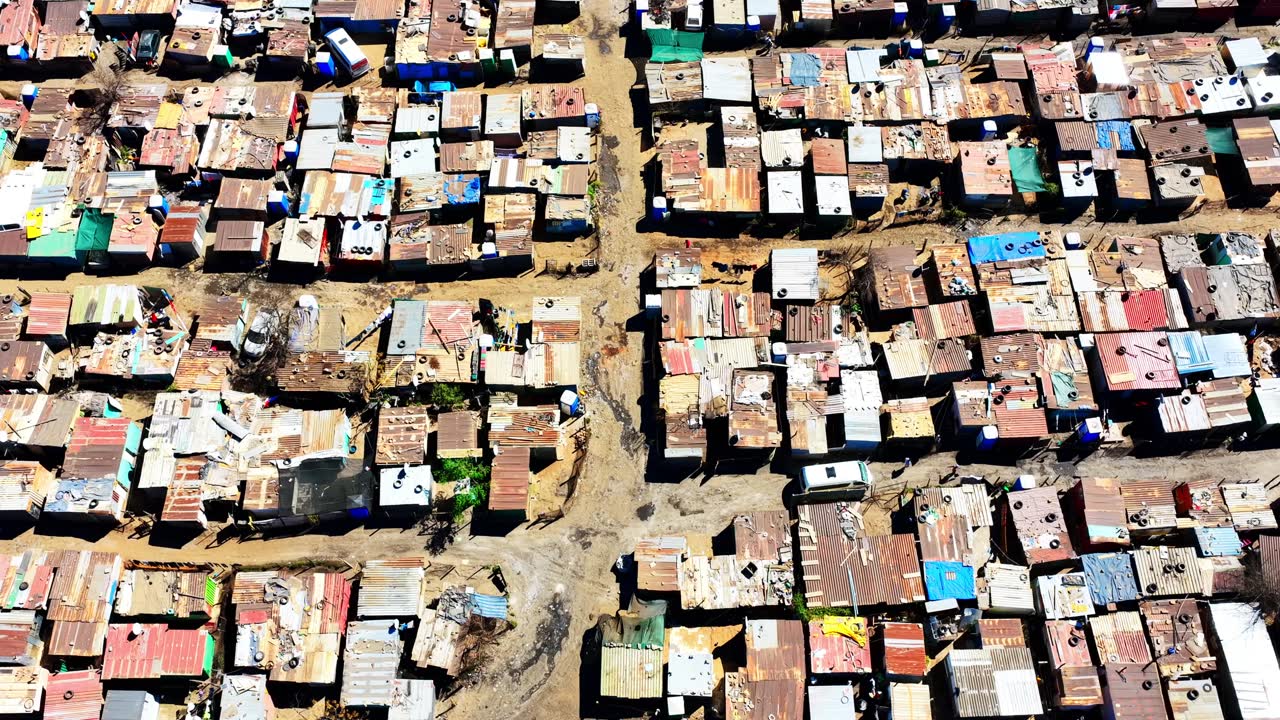
Kibera, Nairobi
70%of what your household throws away is food.
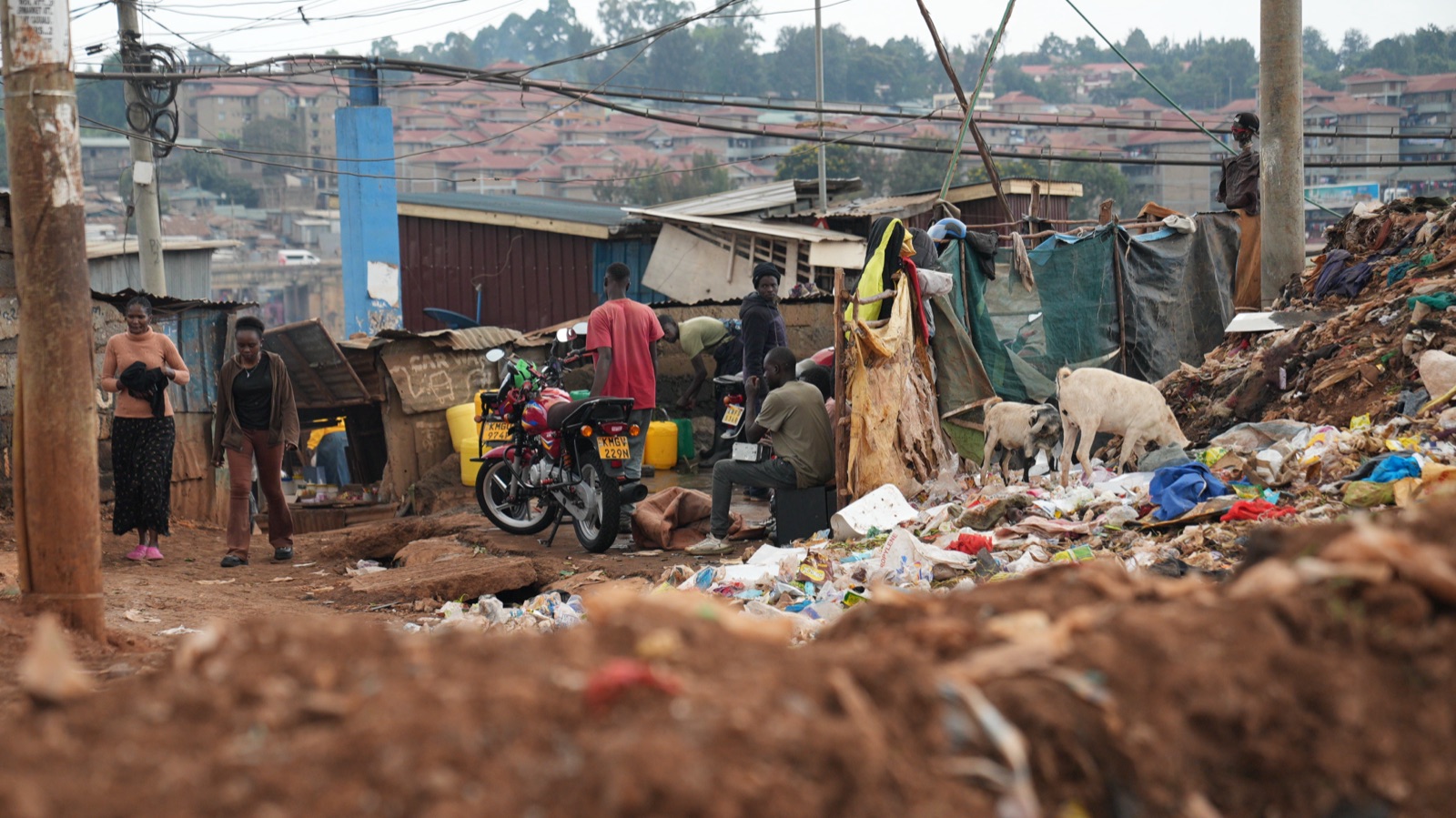
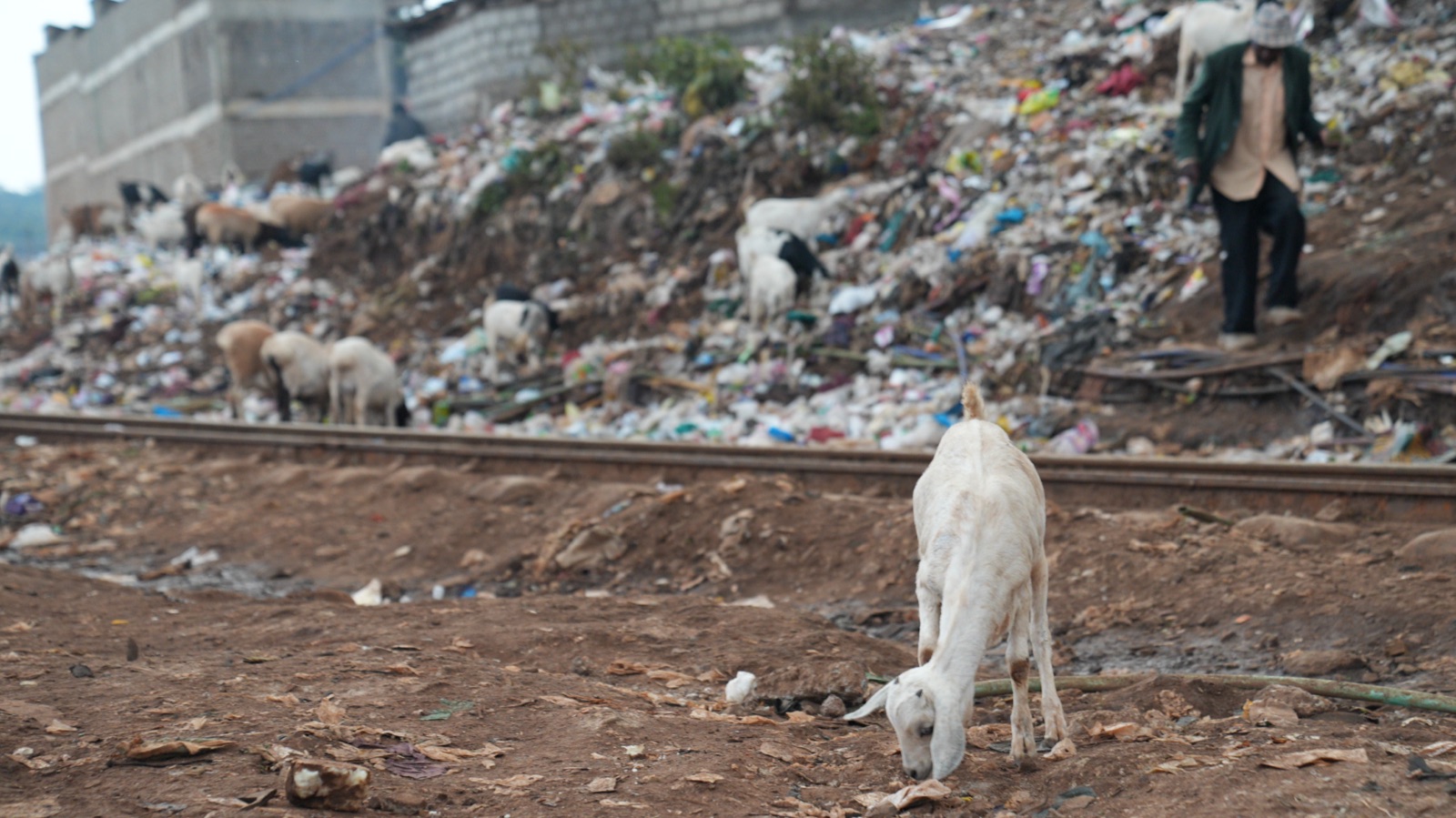
Peels, scraps, leftovers. Left in the street, it rots, blocks drains and makes people sick. But it isn't finished being useful.
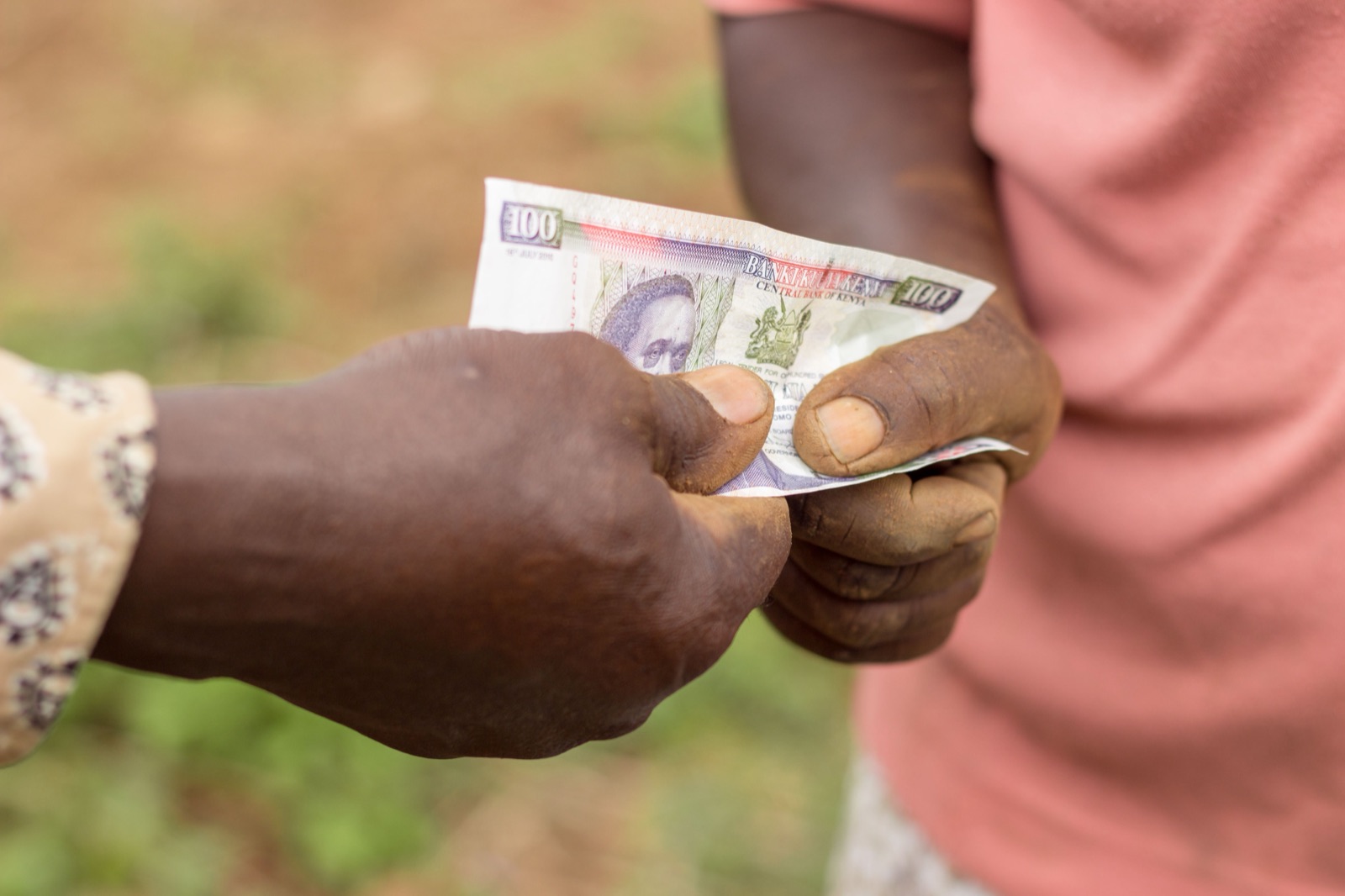
You already know waste is worth something.
What's missing is a place built to use it. Close to home, and in a way that fits your day. Because your time is limited, and your time is money.
A community education hub where your food waste becomes cooking fuel, and where you learn to do the same at home.
One visit, step by step.
Drop the children at the youth area.
Trained staff from the neighbourhood look after them while you're here.
Bring your food waste.
It goes into the hub's biogas reactor, which turns it into gas for cooking.
Cook in the community kitchen.
Powered by that biogas. Less smoke than charcoal, in your lungs and your children's.
Take a course.
Learn to build a digester or make compost for your own home.
Pick up what you need.
The materials shop sells compost and the parts to build a home biogas digester.
Courses.
Build a DIY home biogas digester
Cook on gas made from your own food scraps.
Make compost at home
Turn scraps into soil for growing.
Grow mushrooms in compost
Food to eat or to sell.
Taught and run by people from Kibera.
Residents are trained and employed across the hub, in childcare, maintenance, the kitchen and teaching. Charcoal sellers are trained to teach the digester courses, so the change to biogas includes them instead of cutting them out.
Working alongside groups already here.
Together with:
- Local leaders in Olympic
- The Human Needs Project
- Slum Going Green and Clean
- The Eco-Care initiative
Read more.
How the biogas reactor works
Your food waste goes into a sealed tank. No air gets in.
Inside, bacteria break the waste down and release gas. That gas is piped to the stoves in the community kitchen.
What is left over is a rich fertiliser for growing.
The digester you build in the home course works on the same principle, at a smaller size.
Why it matters for your health
Rotting waste in the street spreads disease. It also blocks drains, and blocked drains make flooding worse.
Charcoal smoke indoors harms breathing, and children feel it most.
Cooking on biogas produces far less smoke. Less in the kitchen, less in your lungs.
Charcoal sellers and the hub
Biogas competes with charcoal, and that affects the people who sell it.
So charcoal sellers are brought in first. They are trained as instructors for the digester courses and paid for teaching them.
Who runs the hub
We start by spending time with local leaders in Olympic. Together we decide how the hub is set up.
Every role is filled and trained locally, from childcare and maintenance to the kitchen and teaching.
The goal is a place the neighbourhood sees as its own.
Your waste is worth something. Come and see what.
Waste to Worth · Olympic, Kibera